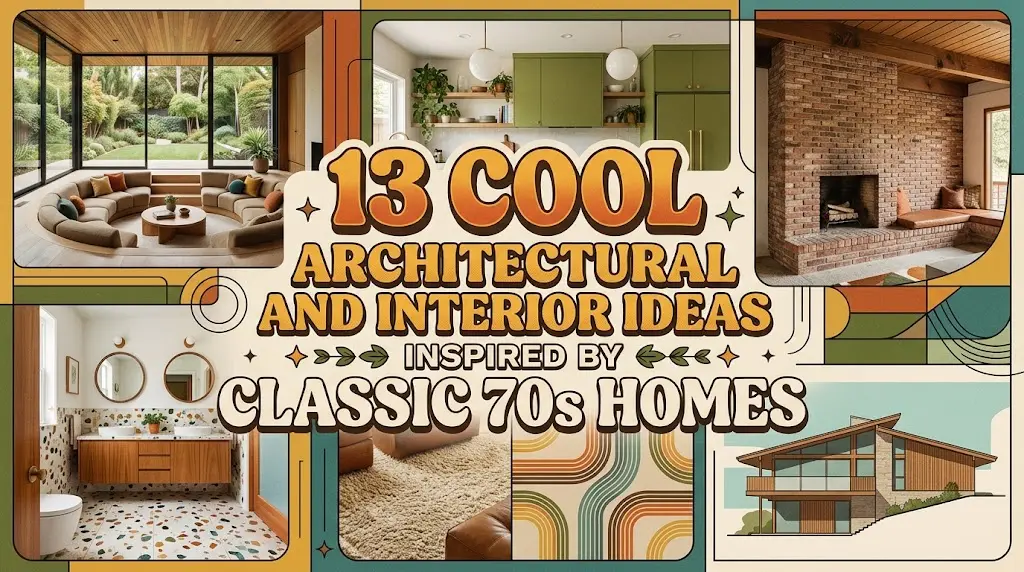
13 Cool Architectural and Interior Ideas Inspired by Classic 70s Homes
Seventies architecture and interior design are experiencing a major cultural renaissance, shedding their dated reputation to reveal a deeply soulful, tactile aesthetic. Rather than copying the decade wholesale, modern designers are pulling the best architectural innovations and material palettes from classic 1970s homes and translating them into contemporary spaces. Think less shag carpet overload and more warm earth tones, sunken architectural focal points, sculptural furniture, and rich natural woods. Whether you live in a modern suburban build or an open-plan apartment, integrating these classic seventies elements introduces instant character, organic warmth, and an inviting sense of leisure. Here are 13 cool architectural and interior ideas inspired by classic seventies homes that feel remarkably fresh today.
1. The Modern Sunken Conversation Pit
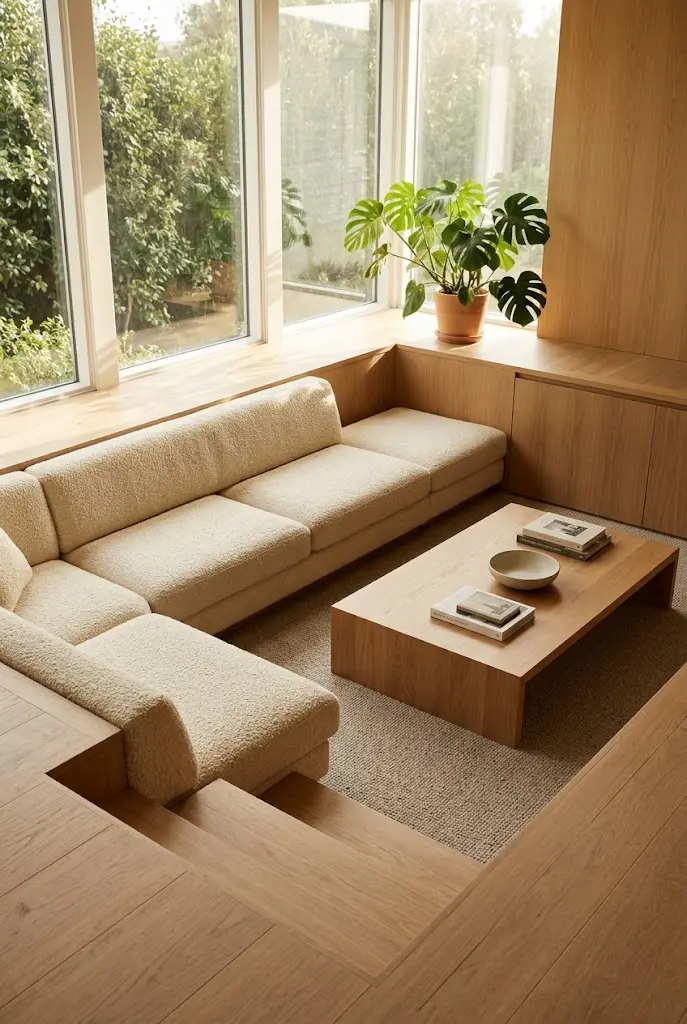
Nothing defines classic seventies architecture quite like the sunken living room or conversation pit. By dropping the floor level by a few steps, a large open-plan space gains instant architectural zoning without the need for physical walls.
To adapt this look for today’s homes without a massive structural overhaul, consider creating a low-slung, built-in sectional layout that mimics the intimate, cocooning feel of a classic pit. Upholster the seating in textured bouclé or heavy velvet, and surround the space with low-profile wooden tables.
2. Rich Earth-Tone Color Palettes
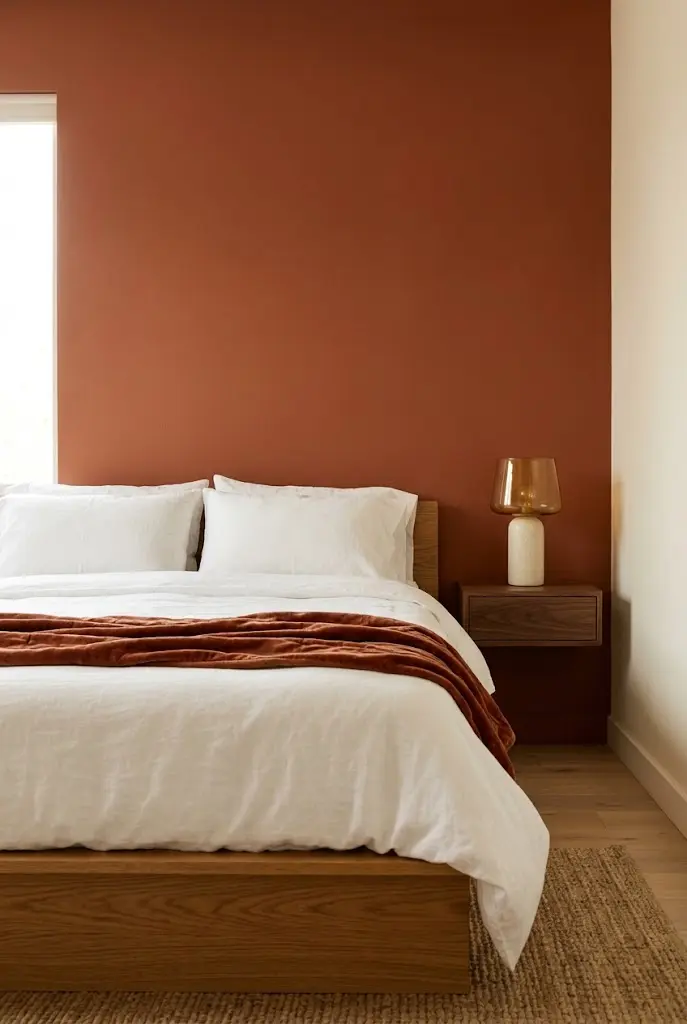
Seventies interiors turned away from stark minimalism in favor of rich, grounding pigments drawn directly from nature. Terracotta, burnt orange, olive green, mustard yellow, and chocolate brown formed the emotional core of the decade’s color schemes.
Instead of painting an entire room in a heavy hue, introduce these shades through matte wall paint, artisanal tiles, or heavy linen upholstery. Pair them with creamy off-white walls to keep the space feeling bright and balanced for contemporary living.
3. Warm Vertical Wood Paneling
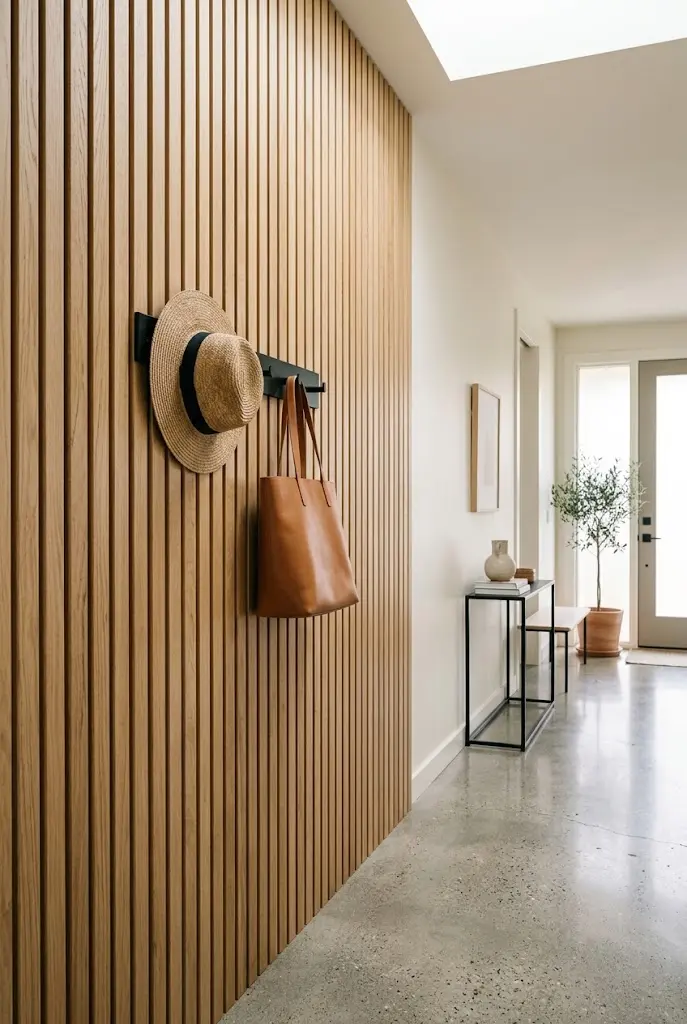
Wood paneling was ubiquitous in 1970s residential design, often wrapping entire rooms in dark, heavy knots. Today’s interpretation uses lighter wood tones, slimmer profiles, and partial application to add architectural interest without darkening the room.
Vertical slat wood walls or modern half-height wood paneling introduce rhythm and tactile warmth to hallways, entryways, or media rooms.
4. Terrazzo Flooring and Custom Surfaces
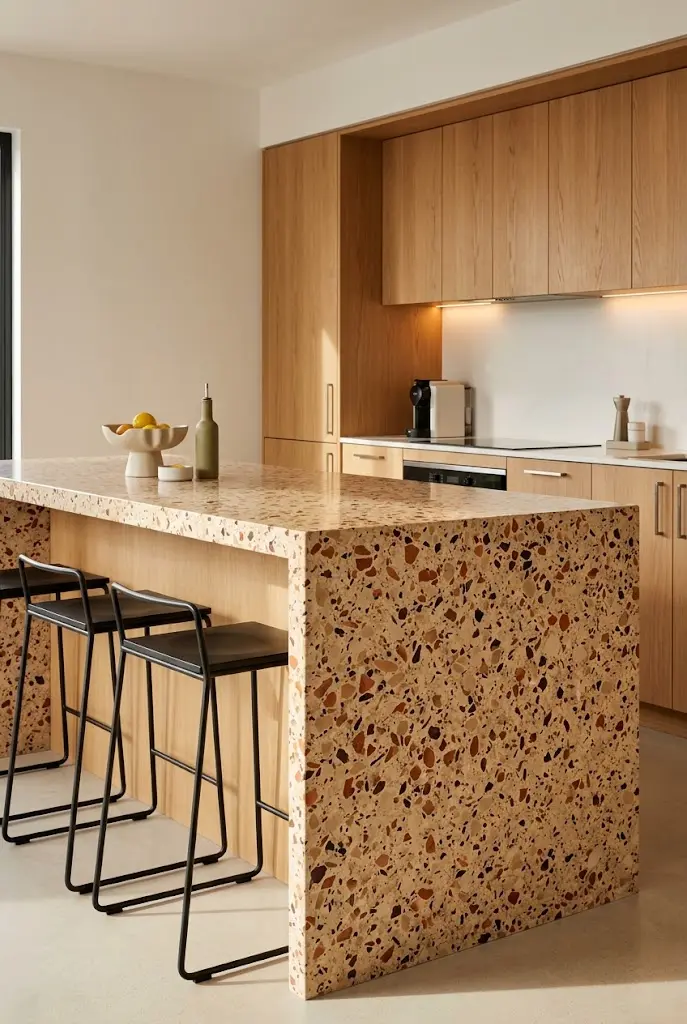
Originally popularized in mid-century modern design and heavily favored through the 1970s, terrazzo offers a playful yet durable mixture of marble, quartz, granite, and glass chips embedded in concrete or epoxy.
Today, terrazzo is back in kitchens and bathrooms not just as flooring, but as custom backsplashes, waterfall kitchen islands, and bathroom vanities. Choose variations with larger chips and warm neutral or earthy pigment bases to capture that authentic retro soul.
5. Indoor Atriums and Statement Plant Corners
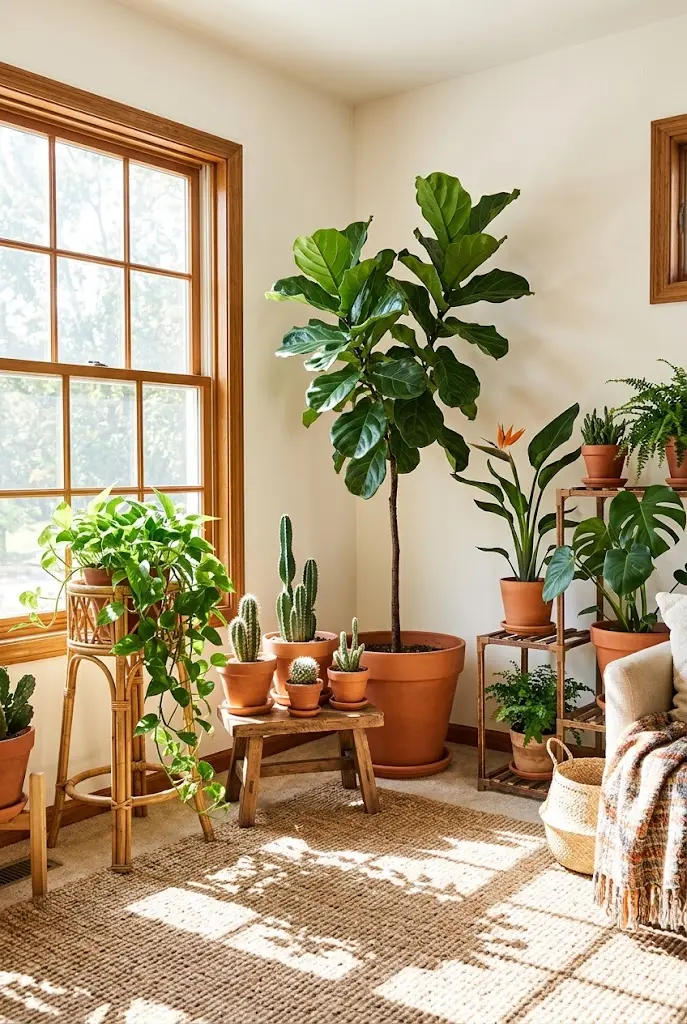
The 1970s obsession with bringing the outdoors inside gave rise to indoor garden beds, skylit atriums, and cascading greenery hanging from every available ceiling hook.
Create a dedicated statement plant corner using multi-tiered plant stands, terracotta pots of varying sizes, and tall architectural plants like the Bird of Paradise or Fiddle Leaf Fig. This brings vibrant life and organic geometry into stark living areas.
6. Curvilinear and Organic Furniture Silhouettes
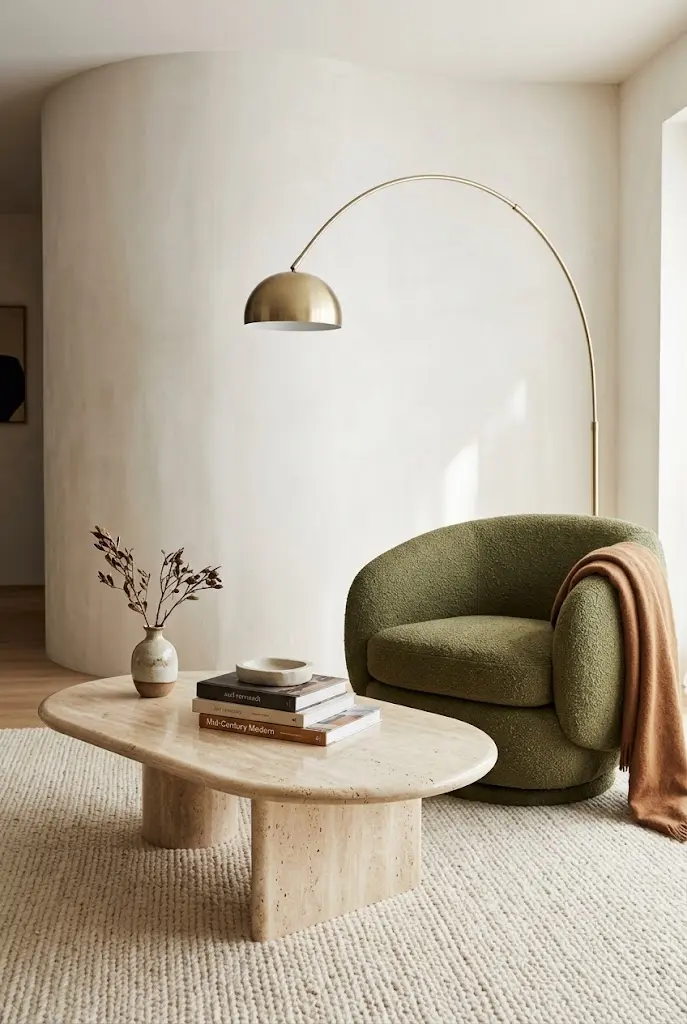
Seventies furniture broke away from strict right angles in favor of fluid, organic curves. Kidney bean-shaped coffee tables, rounded modular sofas, and cocoon chairs dominated stylish homes.
Incorporating even one curving furniture piece—such as an arched velvet armchair or a pill-shaped coffee table—instantly softens the geometry of a boxy room and pays subtle homage to vintage design movements.
7. Fluted Glass and Reeded Cabinetry
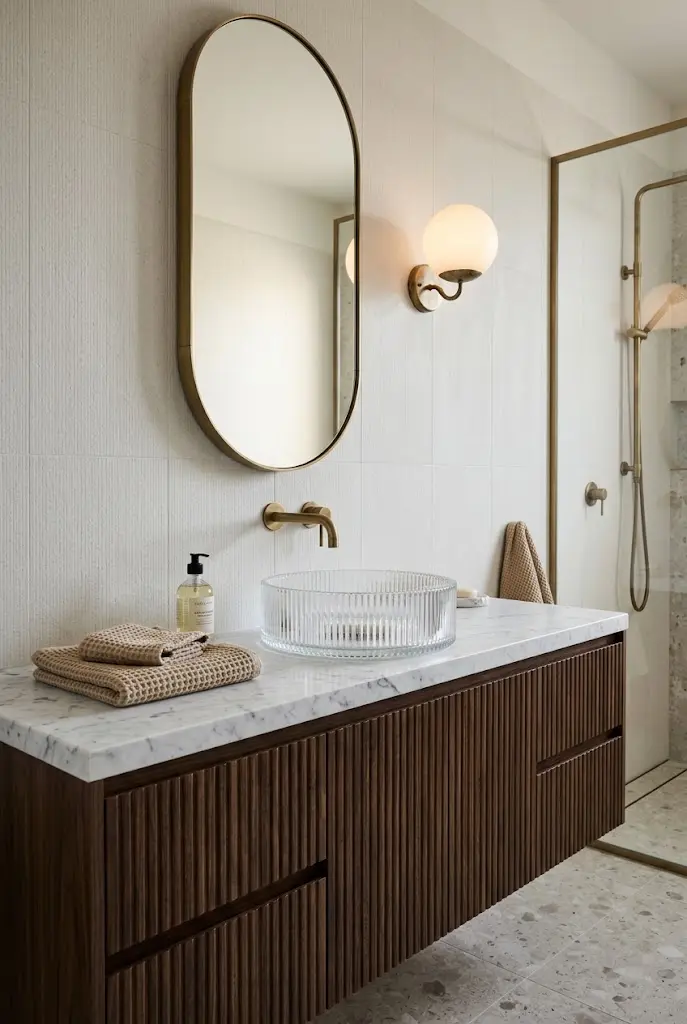
While sleek flat fronts defined later decades, the 1970s embraced texture on vertical surfaces through fluted glass, reeded wood panels, and ribbed hardware that caught and diffused light beautifully.
This detail works exceptionally well in modern kitchens, media consoles, and bathroom vanities, offering privacy and visual texture while concealing clutter behind translucent surfaces.
8. Statement Globe and Bubble Lighting
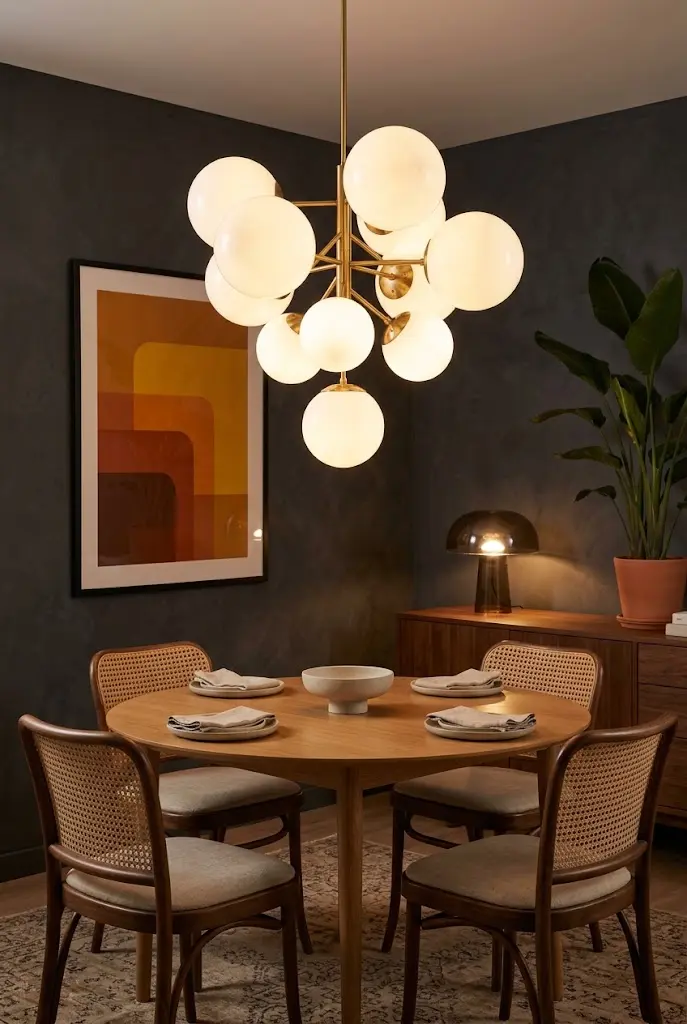
Lighting in the 1970s was sculptural and dramatic. Oversized globe pendants, smoked glass fixtures, and bubble lamps served as luminous pieces of art even when switched off.
Hang a cluster of frosted glass globe pendants over a dining table or place a sculptural mushroom lamp on a credenza to anchor a room in retro-chic style.
9. Built-In Concrete or Brick Fireplaces
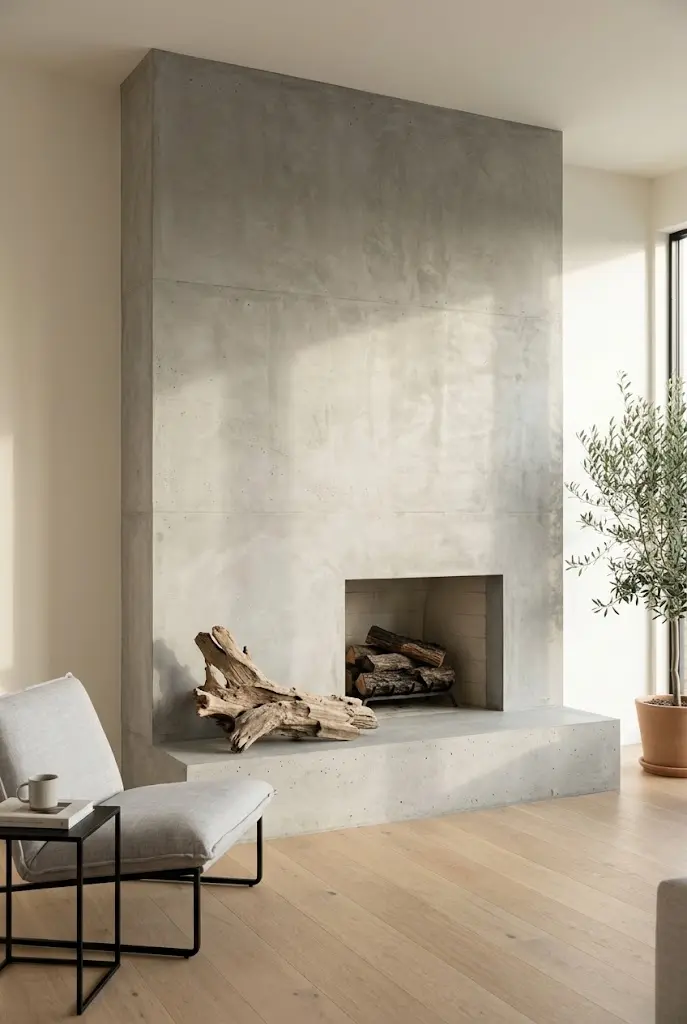
The oversized hearth was the literal and emotional anchor of the 1970s home. Often constructed from raw exposed brick, poured concrete, or textured stucco, these fireplaces commanded attention.
If you are updating a fireplace, consider wrapping it in poured micro-cement or keeping the natural texture of painted or raw brick. Pair it with a simple, thick wooden mantel or leave it clean and unadorned for a bold architectural statement.
10. High-Pile Shag and Textured Wool Rugs
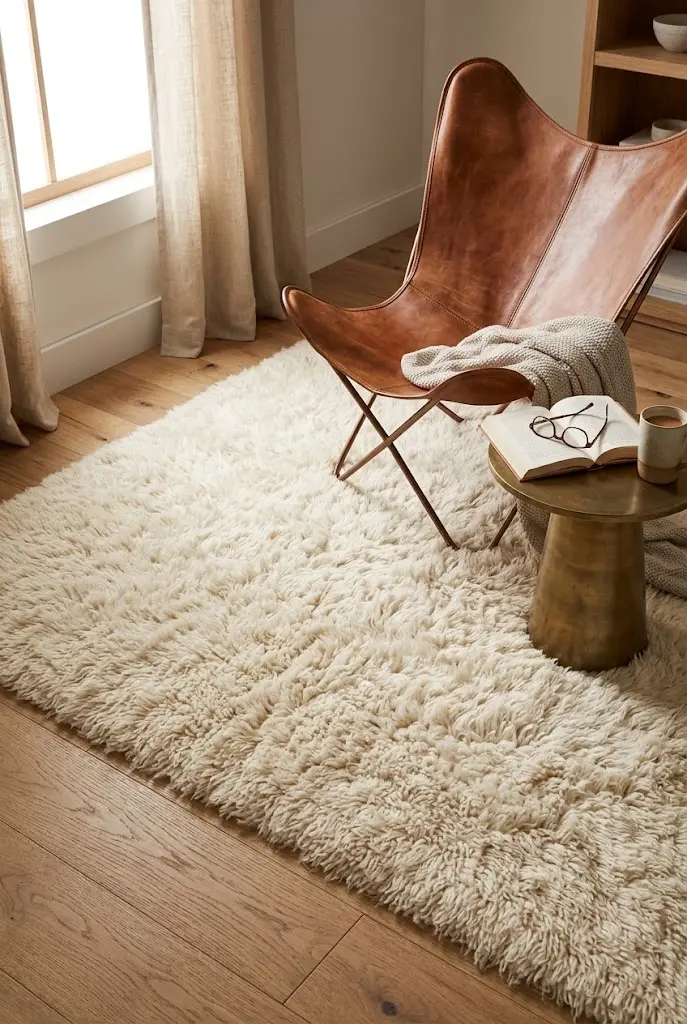
While wall-to-wall high-pile carpets have evolved, the desire for underfoot softness remains a hallmark of seventies design. Today, we translate this through oversized, high-pile wool rugs, plush Moroccan berber styles, and tactile loop textures.
Layering a heavily textured rug over hardwood or tile floors grounds the furniture layout and injects warmth and acoustic dampening into open-plan spaces.
11. Clerestory Windows and Amplified Daylight
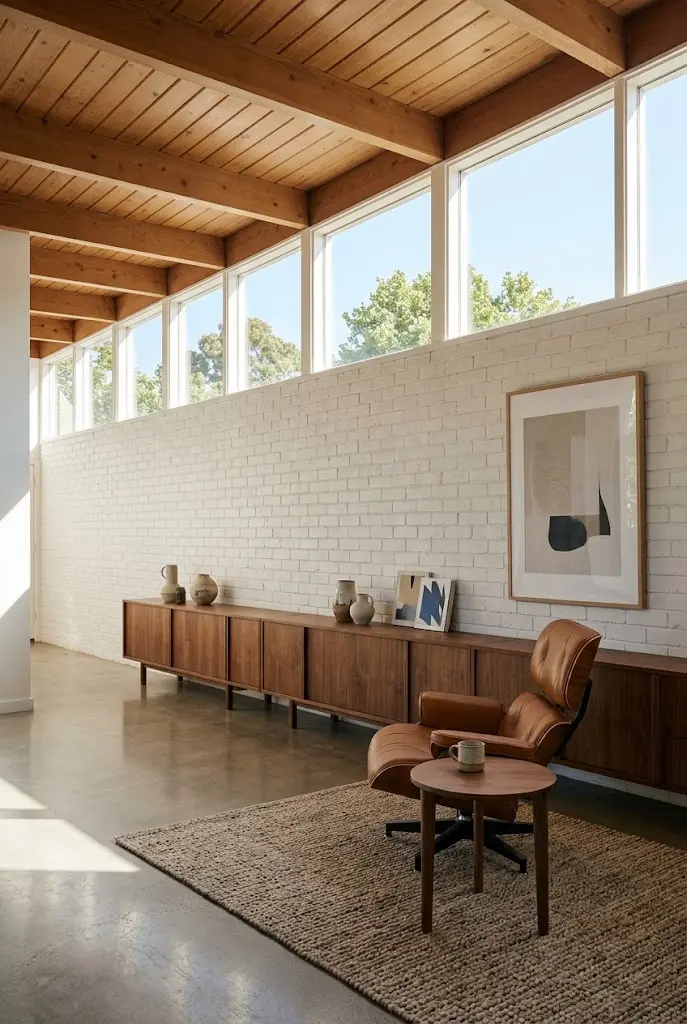
Seventies architecture often prioritized privacy from the street while maximizing interior daylight through clerestory windows—high, horizontal windows placed just beneath the roofline.
These architectural windows flood rooms with continuous, soft ambient light while maintaining wall space for furniture placement and art display.
12. Warm Brass and Retro Metallic Accents
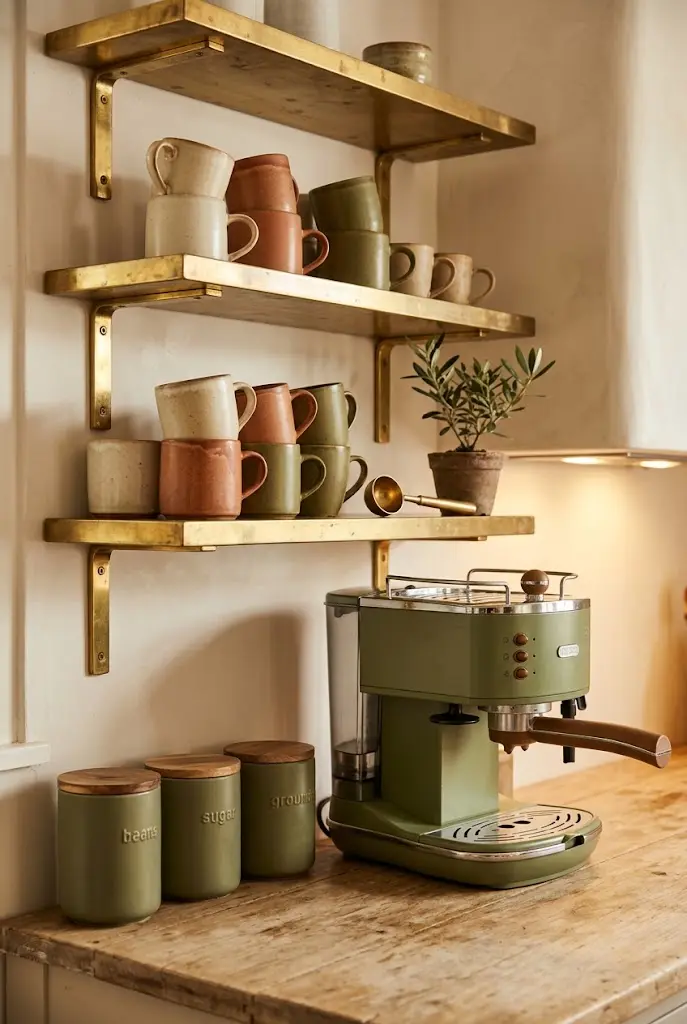
Chrome and polished steel dominated the decades on either side, but the 1970s favored warmer metals like unlacquered brass, brushed bronze, and copper, which developed a rich patina over time.
Incorporate these metals through cabinet pulls, plumbing fixtures, picture frames, and table lamps to introduce a golden, inviting glow that complements earthy color schemes.
13. Integrated Conversational Seating and Sectionals
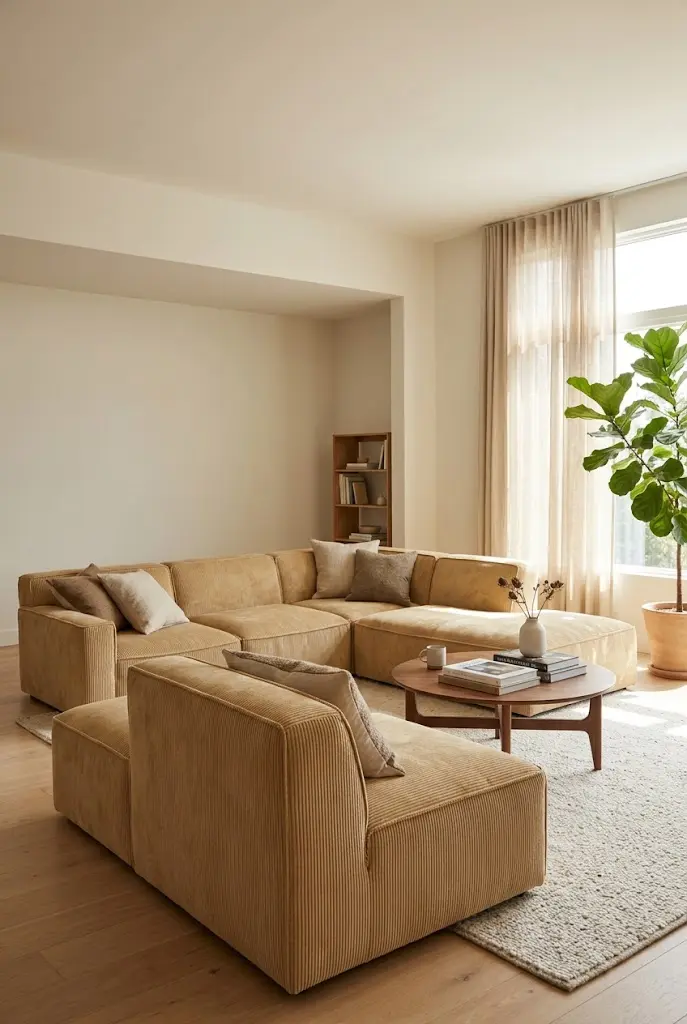
The modular sectional sofa was popularized in the 1970s, designed to accommodate large families and casual gatherings in comfortable configurations that could be rearranged at will.
Opt for modular sectionals with deep seats, low backs, and soft, tactile upholstery like corduroy or velvet to invite lounging and create an effortlessly relaxed atmosphere.