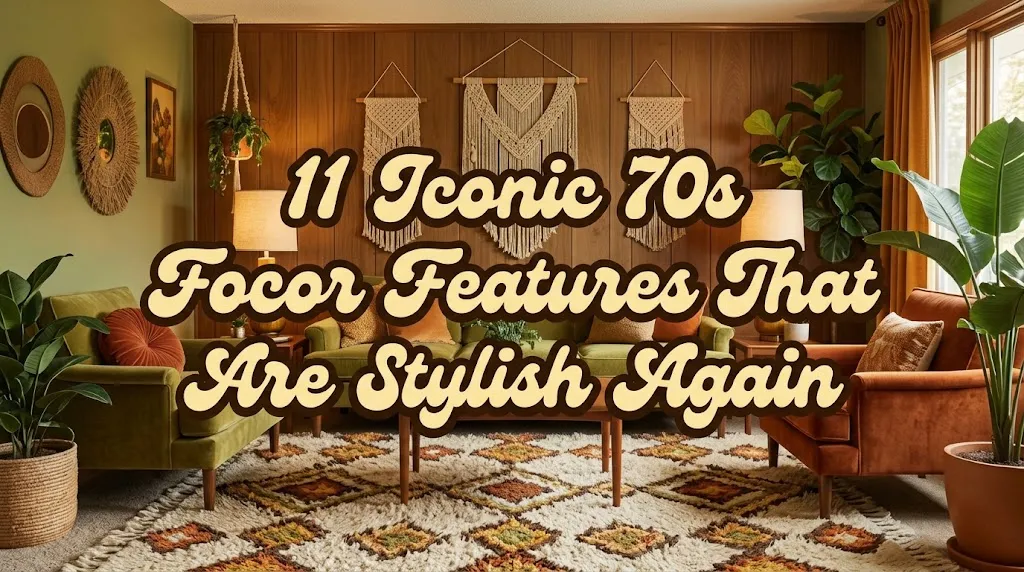
11 Iconic 70s Home Decor Features That Are Stylish Again
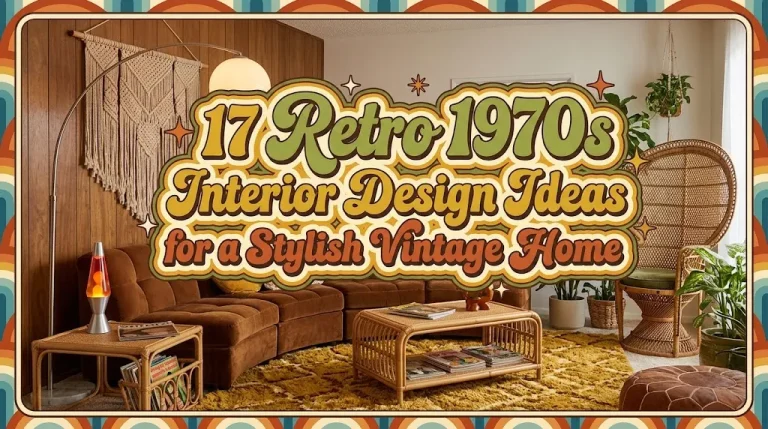
Interior design has a fascinating way of cycling through the decades, reinterpreting past eras through a modern lens. While the 1970s once conjured images of heavy shag carpets and overwhelming avocado-green appliances, today’s revival of the decade is entirely different. Modern interiors are embracing the warmth, textural richness, and organic fluidity of 70s design, stripping away the visual clutter while preserving its soulful character.
Rather than recreating a full time capsule, contemporary spaces are borrowing specific design pillars from the era—such as earthy colorways, curved silhouettes, and tactile materials—to create homes that feel grounded, inviting, and effortlessly chic. If you are looking to infuse your rooms with a sense of history and lived-in comfort, these eleven iconic 70s decor features prove that the decade’s best ideas are worth revisiting.
1. Warm Earthy Color Palettes
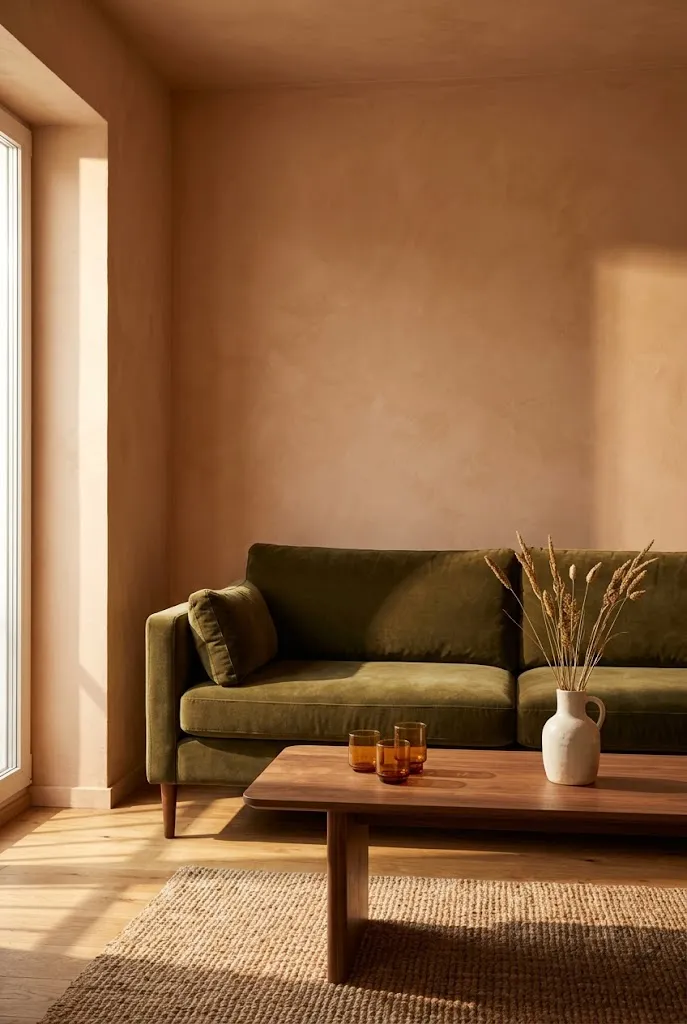
The stark, minimalist white-and-gray interiors of recent years are giving way to the rich, baked color schemes that defined the 1970s. Think terracotta, burnt orange, mustard yellow, olive green, and deep chocolate brown. These hues instantly wrap a room in warmth and create an intimate, sheltering atmosphere.
To bring this look into a modern home without making the space feel dark or dated, use these saturated tones as anchor elements against a backdrop of soft warm whites or creamy plaster walls. Ground a neutral living room with a terracotta-colored velvet sofa, or paint a small study in a moody olive green to lean into the cozy, cocoon-like effect.
2. Curved and Rounded Organic Furniture
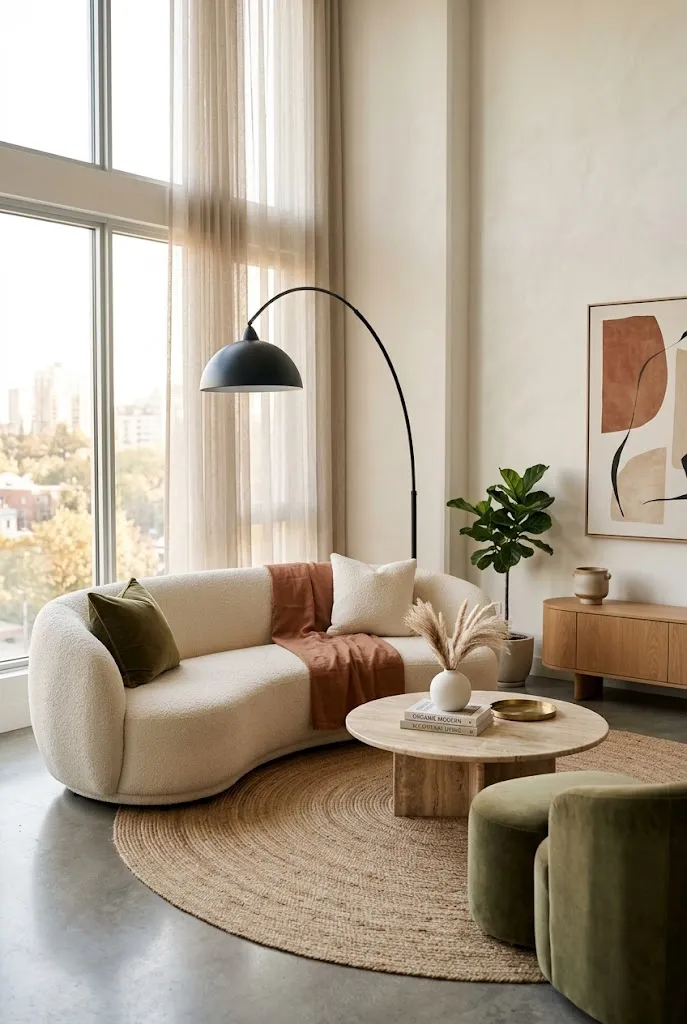
Rigid right angles and ultra-linear furniture are taking a backseat to the fluid, sculptural silhouettes popularized in the late 60s and 70s. Kidney-shaped sofas, rounded tub chairs, and arched furniture pieces introduce a sense of softness and organic movement to a room.
These curved shapes are particularly effective in breaking up the boxy architecture of modern homes. When arranging a space with curved seating, allow the furniture to float away from the walls to create a more dynamic, conversational layout that encourages relaxed gathering.
3. Fluted and Reeded Wood Panels
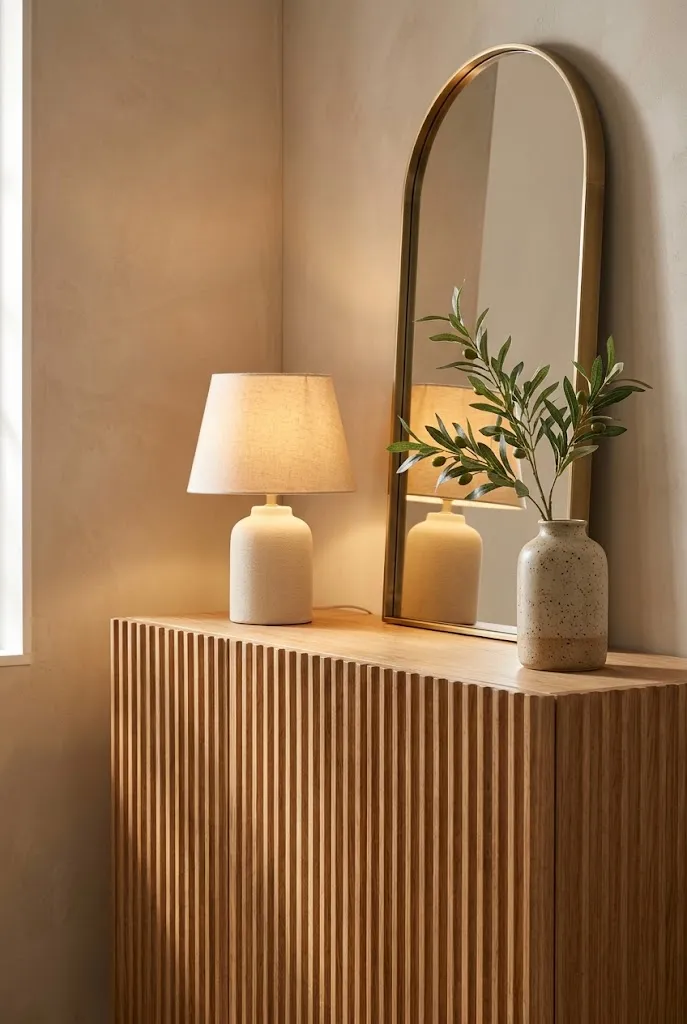
Woodwork in the 1970s went far beyond flat surfaces, embracing deep texture through fluting, reeding, and slatting. This architectural detail is experiencing a major resurgence, adding tactile rhythm and sophisticated dimension to walls, kitchen islands, and custom cabinetry.
Incorporating fluted wood introduces subtle shadows and highlights that change throughout the day as light shifts across the room. Whether applied as a half-wall treatment in a dining room or integrated into the base of a modern kitchen island, it offers an effortless way to introduce craftsmanship and warmth.
4. Statement Lighting with Mushroom and Globe Silhouettes
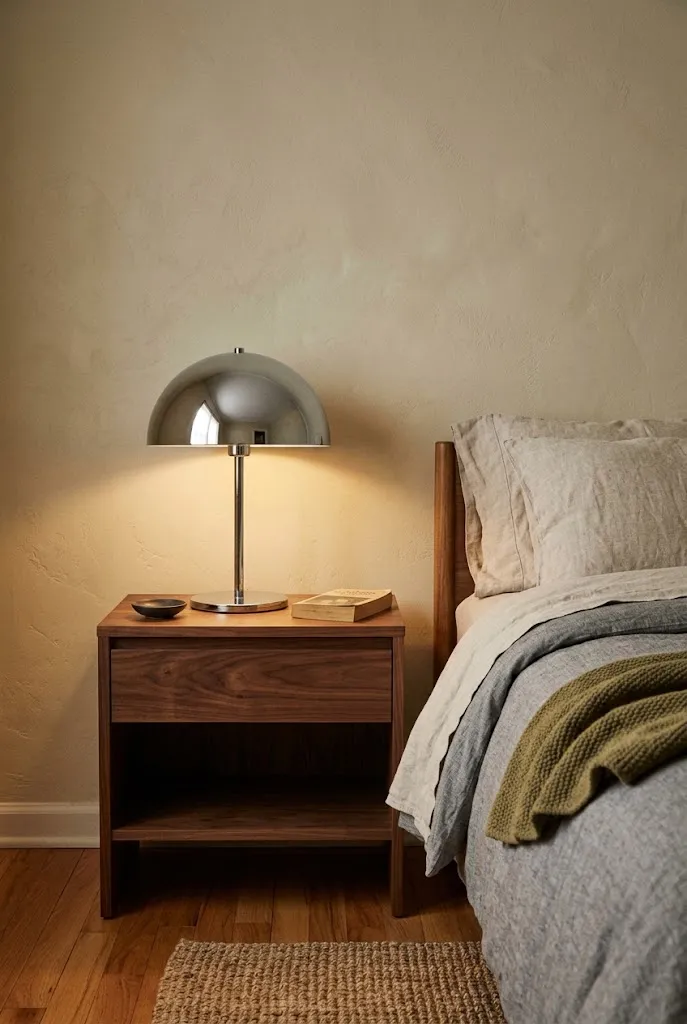
Lighting in the 70s functioned as sculptural art. Iconic silhouettes like the portable mushroom lamp, oversized smoked-glass globes, and stained-glass pendants defined the era’s ambient aesthetic. Today, these statement fixtures serve as focal points that command attention even when turned off.
Mixing mid-century and 70s-inspired lighting instantly layers a room with personality. Place a chrome mushroom lamp on a bedside nightstand or hang a smoked-glass globe pendant above a dining table to introduce soft, diffused illumination and retro-chic charm.
5. Rattan, Wicker, and Cane Furniture
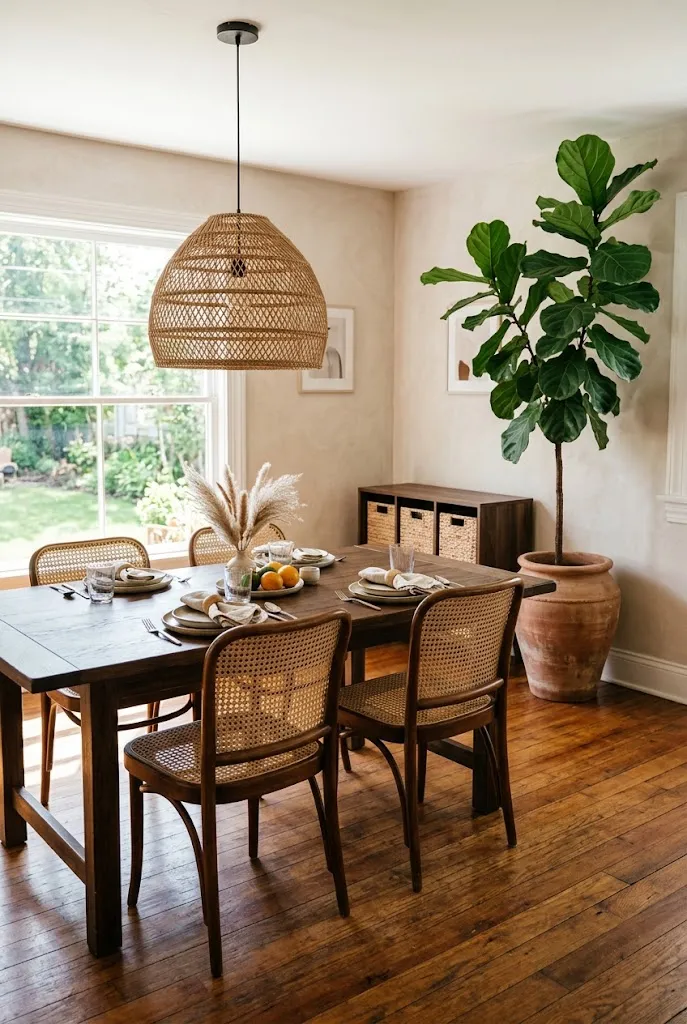
Natural fibers were a cornerstone of 70s bohemian design, bringing an organic, unpretentious texture into everyday living spaces. From classic peacock chairs to intricate cane-backed dining chairs and woven sideboards, these materials add breathability and casual elegance to a room.
In contemporary interiors, rattan and cane work exceptionally well as a bridge between modern and traditional elements. Pair a cane-front media console with sleek, contemporary hardware, or use a lightweight rattan armchair to soften a heavy, upholstered living room layout.
6. Lush Indoor Hanging Planters and Macrame
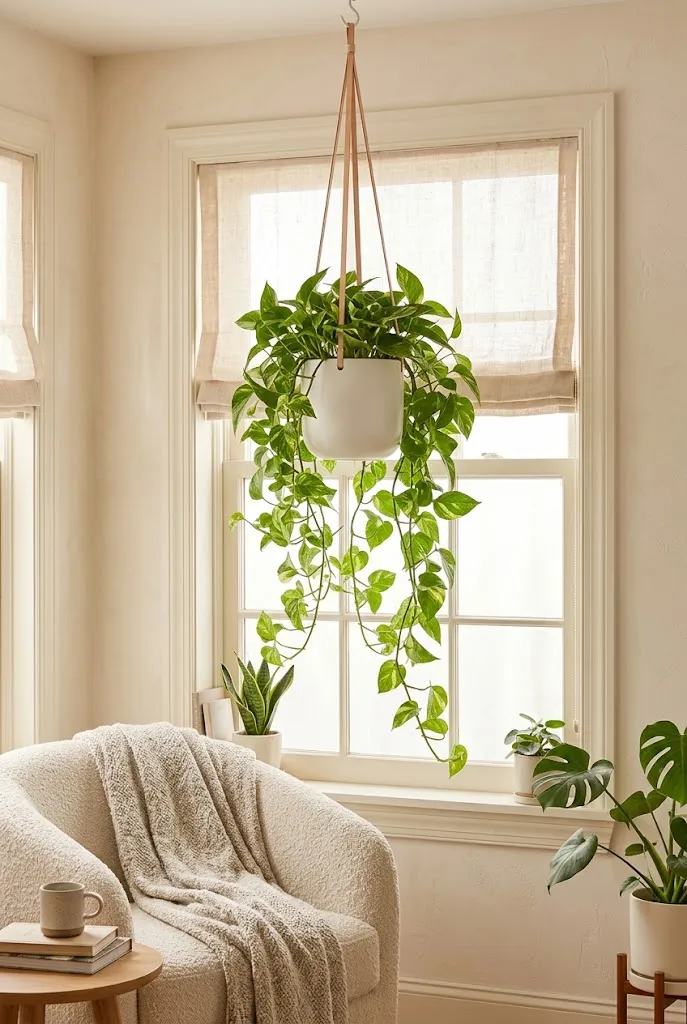
The urban jungle aesthetic has deep roots in the 1970s plant craze. Back then, macrame plant hangers and ceiling hooks turned windows into cascading green displays. This love for indoor greenery is back, bringing life, height, and sculptural softness to empty corners.
Hanging plants near a sunny window draws the eye upward and maximizes vertical space, making ceilings feel higher. Pair trailing pothos, heartleaf philodendrons, or string-of-hearts with simple ceramic planters or modern leather hangers for a refined, updated take on the trend.
7. Luxurious Shag and High-Texture Carpeting
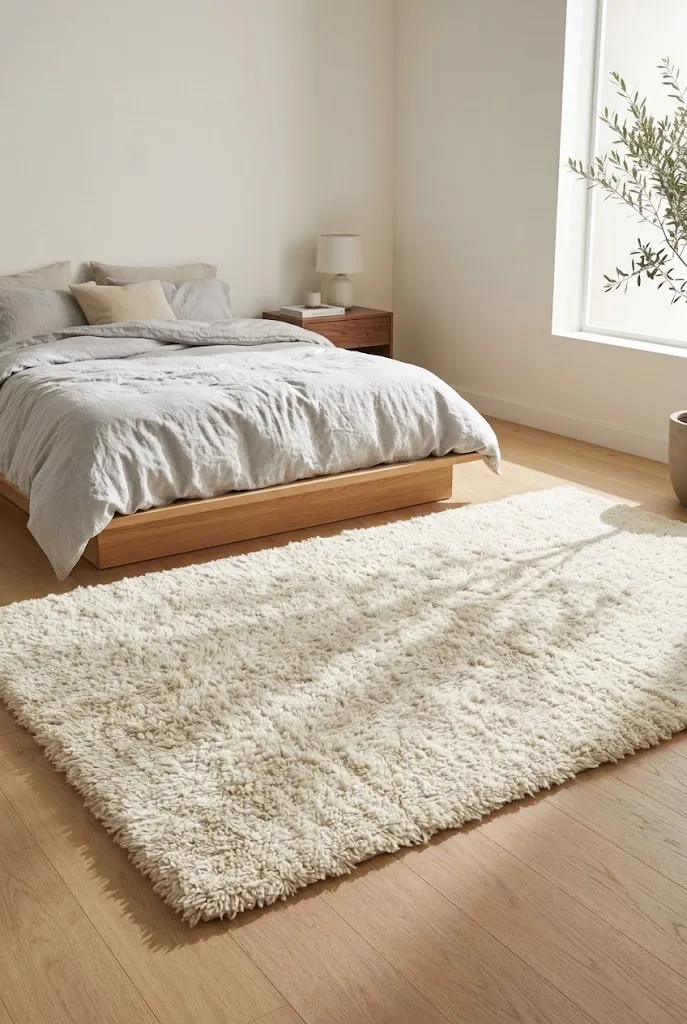
While wall-to-wall shag carpet fell out of favor for decades, high-texture, plush floor coverings have triumphantly returned in more sophisticated forms. Modern iterations focus on luxurious wool, high-pile Moroccan-style rugs, and tactile vintage runners that beg to be walked on barefoot.
Introducing a plush, high-pile rug into a living room or bedroom instantly anchors the space, dampens sound, and introduces an inviting layer of physical comfort. Stick to neutral wool tones or subtle geometric patterns to keep the look grounded and timeless.
8. Bold Geometric and Abstract Wallpaper
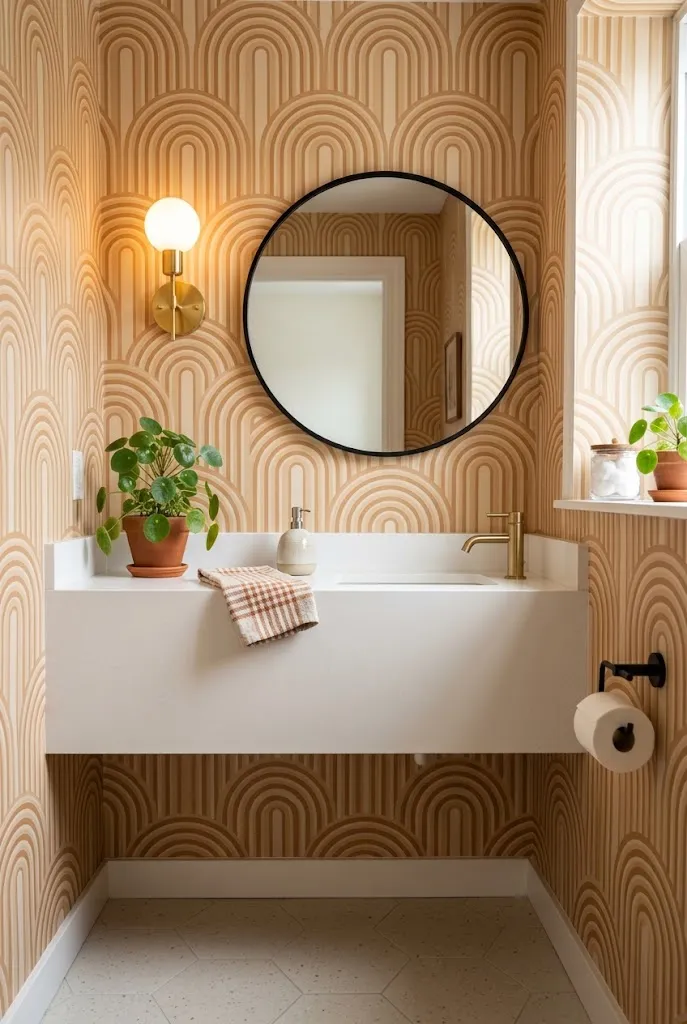
The 1970s were unafraid of pattern, utilizing oversized geometric prints, sweeping abstract curves, and vibrant graphic wallpapers to turn walls into works of art. Today’s revival embraces these expressive prints in updated, moody color palettes and matte finishes.
If full-room coverage feels too bold, apply a retro geometric wallpaper to a powder room, a small hallway, or as an accent wall behind a bed. This allows you to experiment with the dynamic energy of the era without overwhelming the entire home.
9. Rich Velvet and Corduroy Upholstery
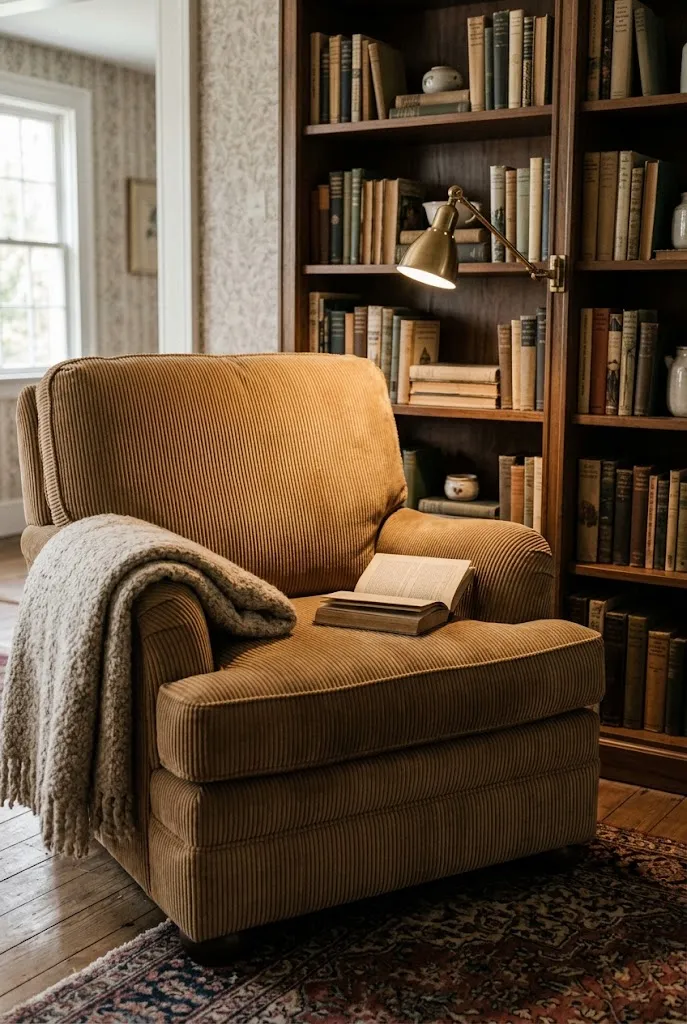
Tactile fabrics were essential to creating the cozy, tactile environments of the 70s. Heavy velvet, wide-wale corduroy, and heavy bouclé added immediate depth and luxury to seating, drapery, and accent pillows.
Incorporating these heavy, touchable textiles adds instant visual weight and sophistication to a room. A wide-wale corduroy armchair or a rich rust-colored velvet ottoman introduces an irresistible tactile contrast when paired with smoother surfaces like leather, glass, or polished wood.
10. Sunken Conversation Pits and Low-Profile Seating
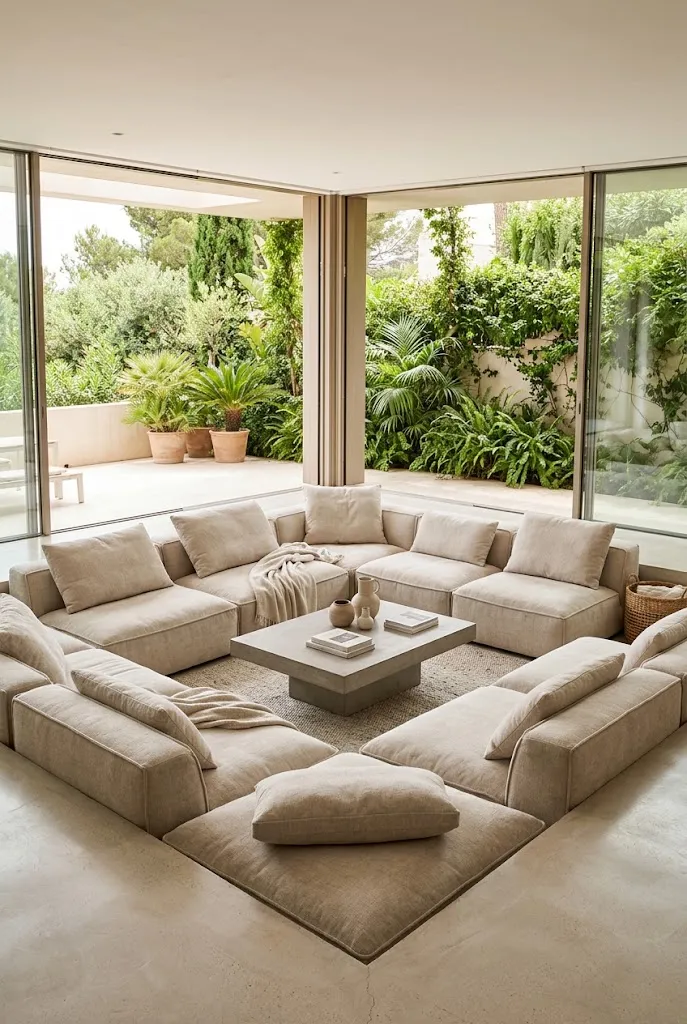
Few architectural features scream 1970s cool quite like the sunken conversation pit. Designed to encourage intimacy, conversation, and unhurried lounging, these stepped-down living spaces are seeing a major revival in architectural and custom home design.
If remodeling your floor plan isn’t an option, you can easily replicate the casual, grounded feeling of a conversation pit by choosing low-profile modular seating. Floor cushions, low sectional sofas, and poufs pull the eye downward, creating a cozy, lounge-focused atmosphere that feels relaxed and welcoming.
11. Bold Terrazzo Surfaces
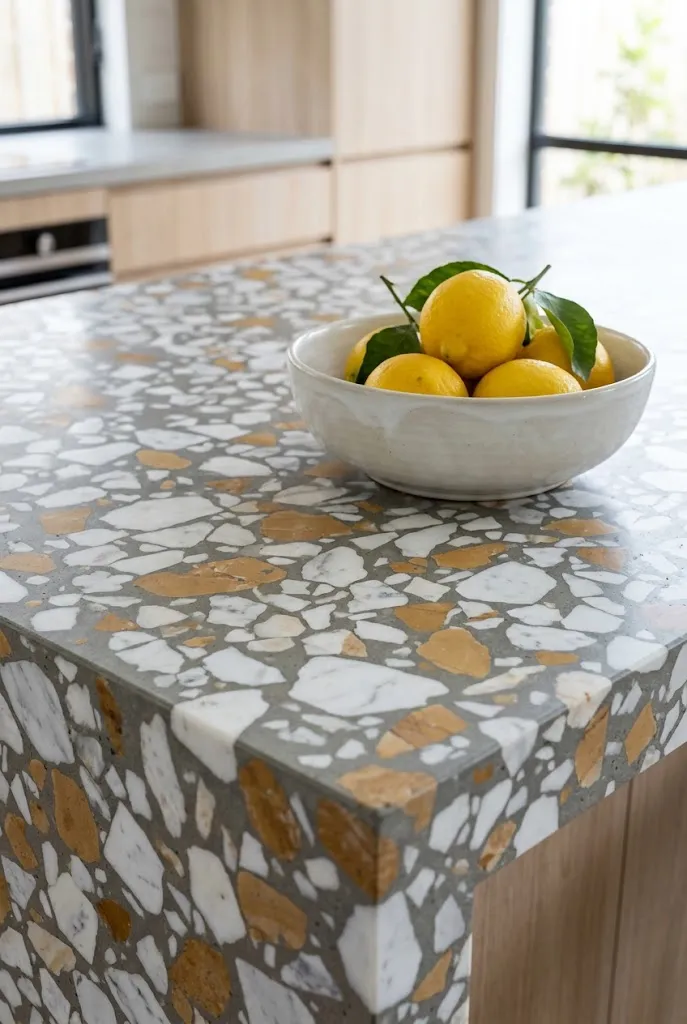
Originally developed in Italy and popularized globally during the mid-20th century, terrazzo experienced a massive boom in the 1970s, appearing on floors, tabletops, and fireplace surrounds. Today, terrazzo is celebrated for its playful speckling and durable, seamless finish.
Modern terrazzo features larger marble chips and unexpected color combinations—ranging from soft pastels to bold terracotta bases embedded with mixed stones. Incorporate this trend through a terrazzo entryway floor tile, a custom bathroom vanity, or a small accent tabletop.